Why Indigenous Manufacturing Capability Matters
Manufacturing capability is about more than producing a component. It includes engineering knowledge, process control, skilled people, tooling, quality systems and the ability to respond when requirements change.
For industries that depend on reliable supply chains and technically demanding components, indigenous manufacturing capability can therefore play an important strategic role.
Building Engineering Knowledge Within India
When components are developed and manufactured within the country, valuable engineering knowledge remains closer to the end user.
Manufacturers gain practical experience in materials, tooling, manufacturing processes, inspection and continuous improvement.
Over time, this strengthens the broader industrial ecosystem and reduces dependence on external sources for specialised engineering capability.
Better Communication and Faster Response
Local manufacturing can also make technical communication easier.
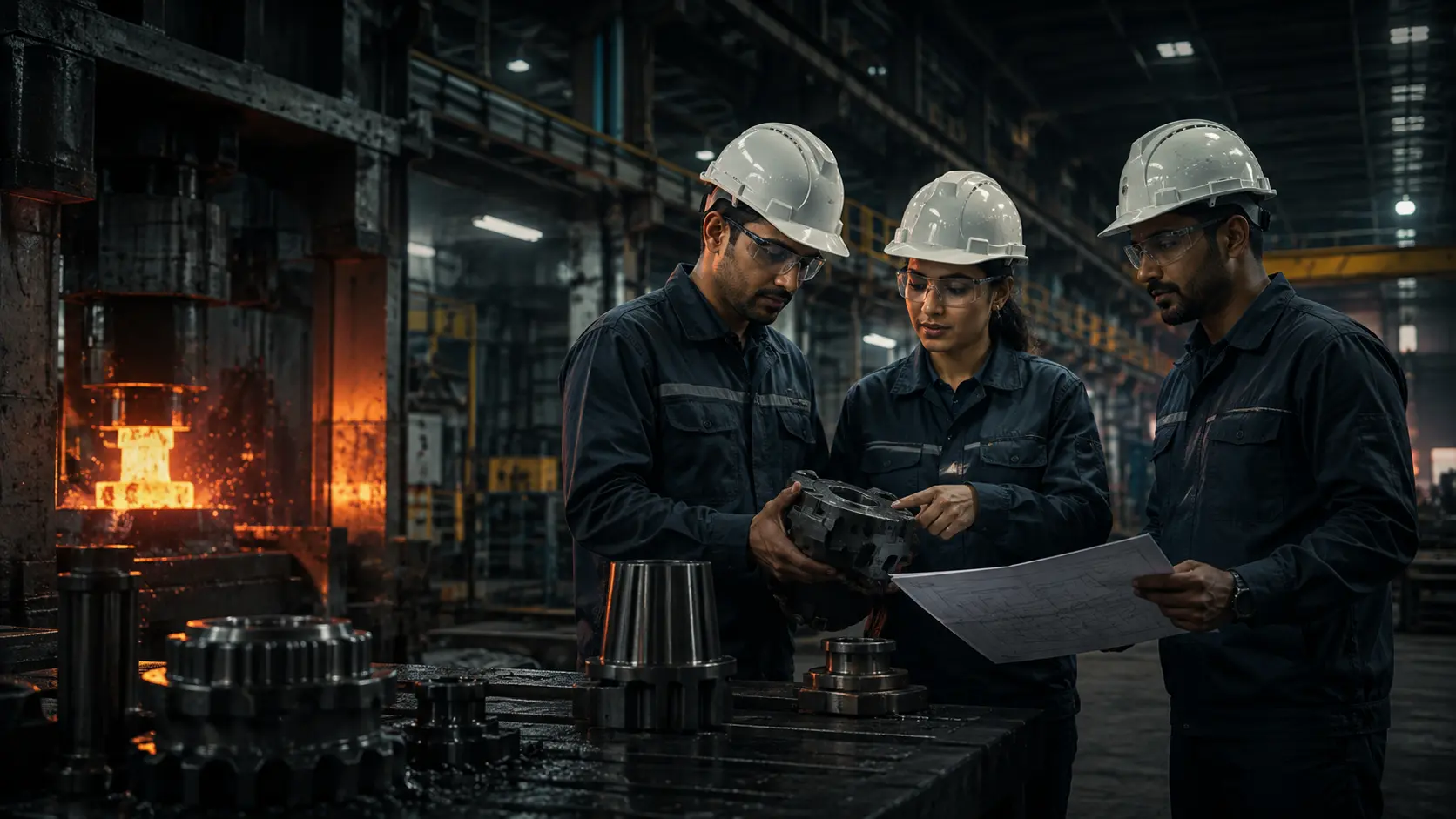
When engineering teams, manufacturers and customers work within the same ecosystem, discussions around drawings, material specifications, production challenges and design improvements can often take place more efficiently.
This can be especially important during product development, qualification or manufacturing changes.
Supporting Stronger Supply Chains
Global supply chains can be affected by many factors, including transportation delays, geopolitical events, availability of raw materials and changes in international demand.
Strong domestic manufacturing capability provides organisations with additional sourcing options and can contribute to greater supply-chain resilience.
This does not mean every component must always be produced locally. Instead, it means industries have stronger capabilities available when reliability, responsiveness or strategic requirements make local manufacturing important.
Tooling and Process Development
A major part of manufacturing capability lies behind the finished product.
Tooling design, process planning, heat treatment, machining, inspection and quality control all contribute to successful production.
Developing these capabilities domestically helps create a deeper base of technical expertise that can support future products and new applications.
Importance for Strategic Industries
Indigenous manufacturing is particularly relevant in sectors where supply continuity, confidentiality, long-term availability and engineering control are important.
Defence, aerospace, energy, transportation and heavy engineering are examples of sectors where domestic manufacturing capability can provide strategic value.
Manufacturers serving these industries must combine production capacity with disciplined quality systems and continuous improvement.
A Long-Term Capability
Building indigenous manufacturing capability is not a one-time project.
It requires continuous investment in people, equipment, technology, processes and quality.
As manufacturing organisations improve their capabilities, they become better positioned to support more complex products and increasingly demanding applications.
At Sun Inox, indigenous engineering and manufacturing form an important part of the company’s approach to building reliable production capability for demanding applications.
Conclusion
Indigenous manufacturing strengthens more than a single supply chain.
It develops engineering knowledge, creates technical capability, improves responsiveness and contributes to long-term industrial resilience.
For India’s growing manufacturing sector, strengthening domestic engineering and production capabilities will remain an important part of supporting future industrial growth.