Why Forging Matters in High-Performance Components
High-performance components are often expected to operate under demanding conditions. They may be exposed to high loads, repeated stresses, vibration, heat or harsh operating environments. In such applications, material quality and manufacturing consistency become extremely important.
Forging is one of the manufacturing processes commonly used when component strength and reliability are key considerations.
What Is Forging?
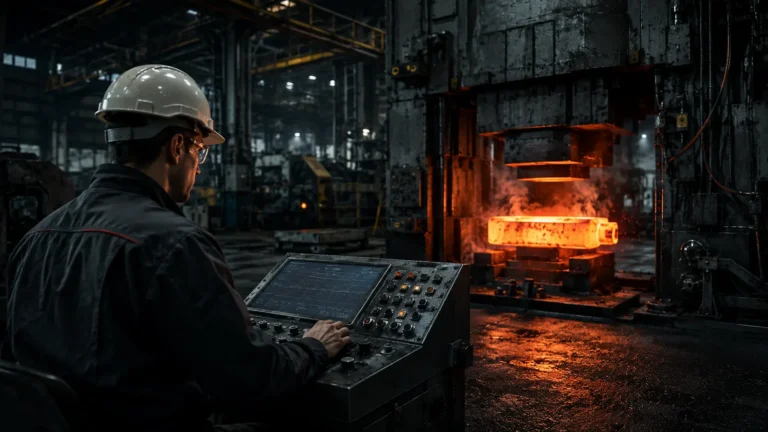
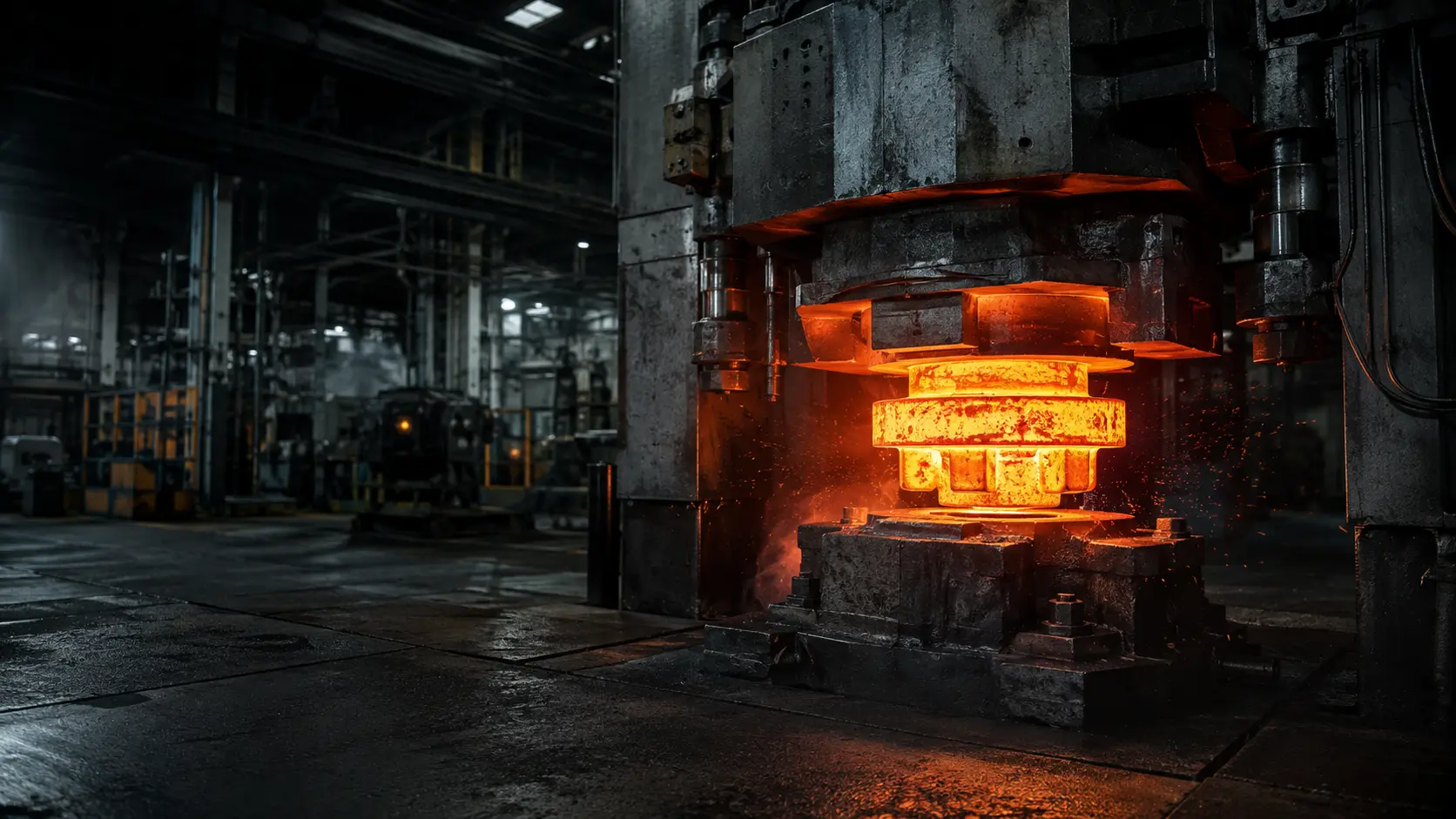
Forging is a manufacturing process in which metal is shaped through controlled compressive forces. Depending on the component and application, the metal may be heated before it is formed into the required shape.
Unlike processes that simply remove material from a larger block, forging reshapes the metal and can help create a more favourable internal grain structure.
This is one of the reasons forged components are widely used across industrial, engineering, defence, aerospace and heavy-equipment applications.
Strength and Material Integrity
One of the main advantages of forging is the way the material structure can follow the shape of the component.
During a controlled forging process, the metal flows under pressure. When the process is properly designed, this material flow can contribute to good mechanical properties and improved resistance to demanding operating conditions.
For components that may experience repeated loading or mechanical stress, these characteristics can be particularly valuable.
Consistency Matters as Much as Strength
A successful forged component is not created by pressure alone.
The quality of the finished product depends on several factors, including material selection, heating temperature, tooling, forming sequence, dimensional control, heat treatment and inspection.
Process discipline is therefore essential.
Manufacturers need to understand how each stage influences the final component and maintain suitable controls throughout production.
Forging for Critical Applications
Components used in critical applications are often expected to perform consistently over long operating periods.
Depending on the requirement, forging can be suitable for parts such as shafts, rings, structural components, machine parts and other engineered metal components.
The correct manufacturing route depends on the material, component geometry, production volume and final performance requirements.
Engineering Beyond the Forging Press
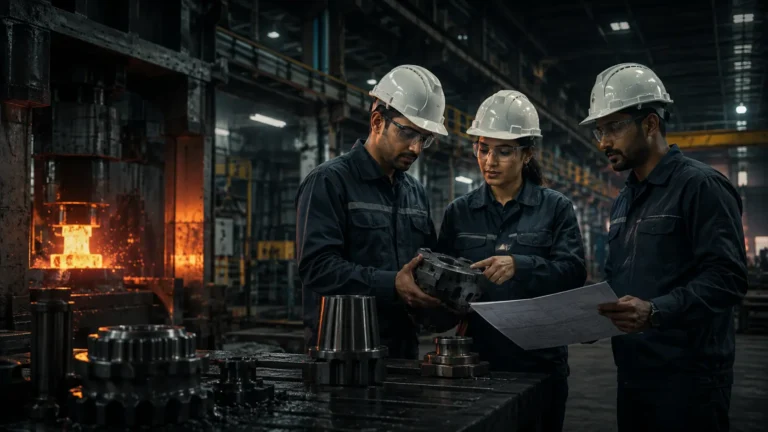
Modern forging is increasingly supported by engineering, tooling development, machining, heat treatment, inspection and quality-control systems.
The objective is not simply to create a forged shape. It is to produce a component that meets the required dimensional, mechanical and application-specific requirements.
At Sun Inox, the focus is on combining manufacturing capability with process discipline and engineering understanding to support demanding industrial applications.
Conclusion
Forging continues to play an important role in the manufacture of high-performance components because it combines material efficiency, engineering flexibility and the potential for strong mechanical performance.
However, the final quality of a forged component depends on the entire manufacturing process—from material selection and tooling to heat treatment, machining and inspection.
For demanding applications, this complete process approach is what helps turn raw metal into a reliable engineered component.