Understanding Process Control in Modern Forging
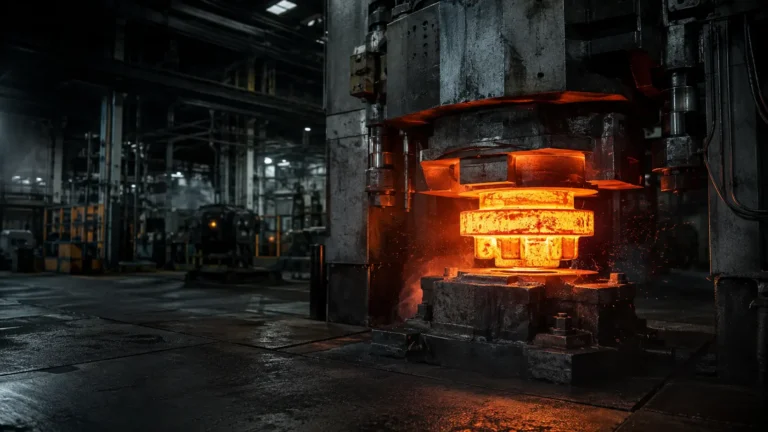
Forging may appear to be a straightforward process: heat metal, apply force and create the required shape.
In reality, producing a consistent forged component requires careful control of many different parameters.
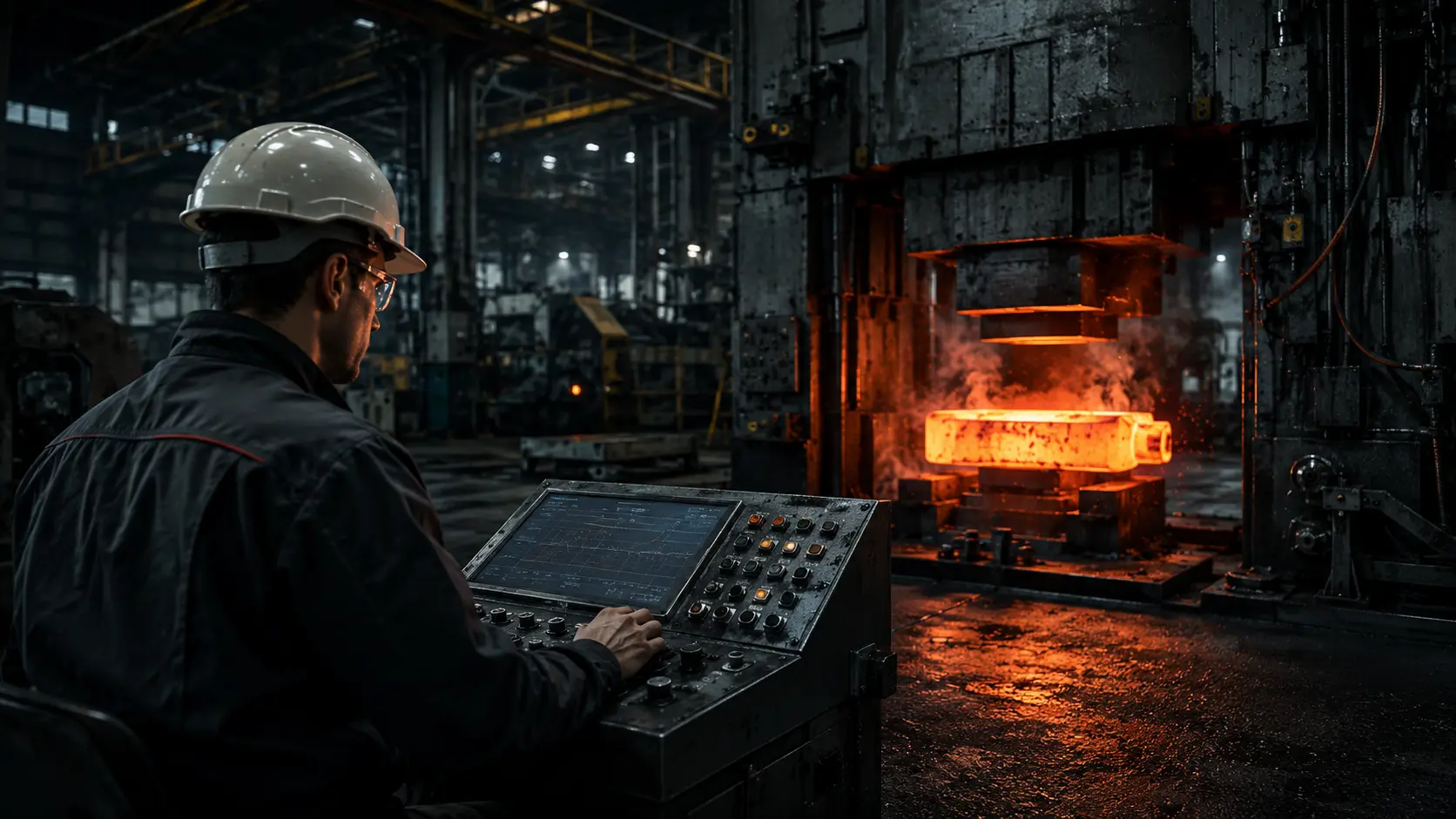
Modern forging therefore depends heavily on process control.
What Does Process Control Mean?
Process control means defining, monitoring and maintaining the manufacturing conditions required to produce a component consistently.
In forging, these conditions can include material grade, billet dimensions, heating temperature, tooling condition, forging sequence, cooling method and dimensional requirements.
Changes in any of these areas can influence the finished component.
The objective of process control is to reduce unnecessary variation and ensure that production remains within defined requirements.
Raw Material Control
A consistent manufacturing process begins with the correct raw material.
Material grade, chemical composition, size and condition need to match the technical requirements of the component.
Traceability can also be important, particularly for components used in demanding applications.
By controlling the material entering the process, manufacturers establish a reliable foundation for later production stages.
Temperature Control
Temperature plays an important role in hot forging.
Metal needs to be heated within an appropriate range so that it can be formed effectively while maintaining the required material characteristics.
Excessive or insufficient temperature can influence material flow, surface condition and the overall forging process.
For this reason, controlled heating and temperature monitoring are important parts of modern forging operations.
Tooling and Forging Sequence
Tooling determines how the metal moves into the required shape.
Die condition, alignment and dimensional accuracy can all affect the finished forging.
The sequence in which the component is formed is also important because each stage influences material flow.
Well-designed tooling and a controlled forging sequence help improve repeatability from one component to the next.
Heat Treatment and Cooling
For many forged components, the manufacturing process continues after the forging operation.
Controlled cooling and heat treatment may be used to achieve specific mechanical properties or prepare the component for subsequent machining.
These stages need their own defined parameters and quality controls.
Inspection and Feedback
Process control is not complete without inspection.
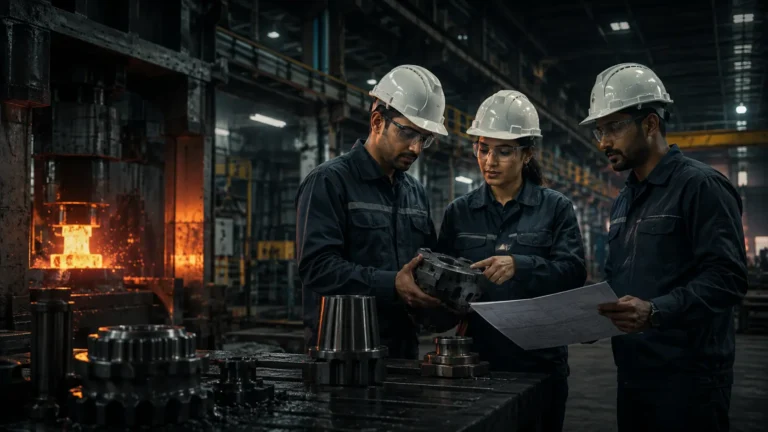
Dimensional checks, visual inspection, material testing and other quality-control methods help confirm whether production is meeting the required specifications.
Inspection results also provide useful feedback to manufacturing teams.
If a trend or variation is identified, the process can be reviewed before it becomes a larger production issue.
Continuous Improvement
Modern process control is not only about maintaining existing parameters.
Manufacturers continuously study production results to identify opportunities for better consistency, productivity and quality.
Improvements in tooling, equipment, monitoring and inspection can all contribute to a more capable manufacturing process.
At Sun Inox, process discipline is viewed as an important part of delivering consistent engineered metal components for demanding applications.
Conclusion
Process control is one of the foundations of reliable forging.
From raw material and temperature to tooling, heat treatment and final inspection, every stage contributes to the finished component.
By controlling these stages carefully, forging manufacturers can improve consistency, reduce variation and support the quality requirements expected in modern engineering applications.